
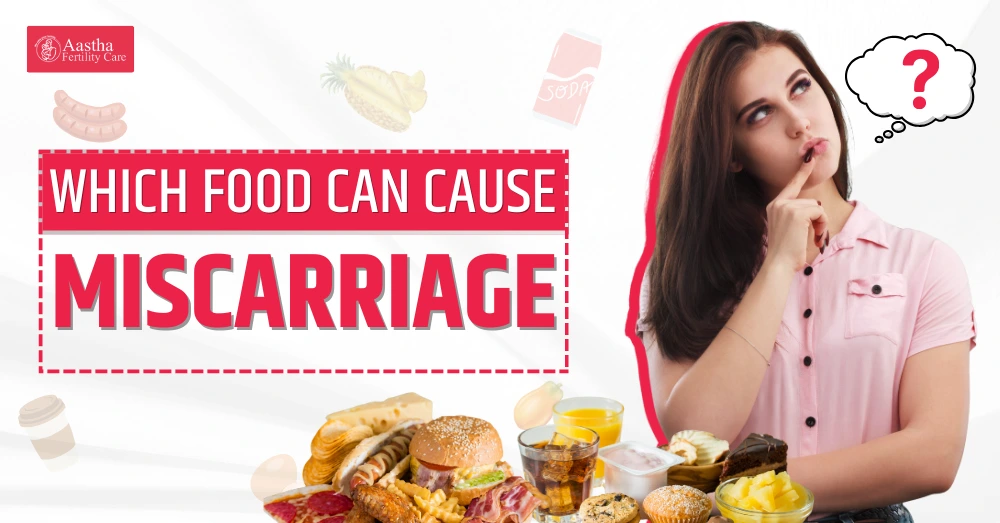
Pregnancy is one of the most exciting yet delicate phases in a woman’s life. Every expecting mother wants to do everything right, including lifestyle and diet, to ensure her baby’s health.
However, little did you know that certain foods in your daily diet could potentially increase the risk of miscarriage.
Yeah, since childhood, we all are taught to eat a diverse variety of food to stay fit and healthy, but this approach doesn’t fit in the case of pregnancy.
It may be surprising, but some foods that are considered healthy in everyday life are strongly advised against by doctors during pregnancy. Now, the common concern raised by women is “which food can cause miscarriage?” or “what food makes miscarriage more likely?”
These are valid concerns because some food choices can directly or indirectly contribute to pregnancy complications, especially in the early months. According to research published by the National Library of Medicine, dietary factors can substantially influence the risk of miscarriage, while a healthy diet rich in fruits, vegetables, and nuts, associated with a 20-60% reduction in miscarriage odds.
Therefore, understanding the wrong food choices during pregnancy and the science behind why they pose potential risks can support your pregnancy journey significantly.
Let’s read the blog and mark some foods out of your pregnancy diet, helping your baby flourish.
15 Foods That Can Cause Miscarriage
If you are a pregnant women then you must be curius to know which food can cause miscarriage in pregnancy or which food can cause miscarriage in first trimester. So we have lisitng 15 foods that can cause miscarriage in pregnancy and requires extra caution during pregnancy.

1. Raw or Undercooked Meat, Poultry, and Fish
Raw or undercooked animal proteins are among the most dangerous foods during pregnancy. These foods contain harmful bacteria like Salmonella, Listeria, and Toxoplasma, which can cause serious infections. Such infections can reach the fetus and may lead to miscarriage, stillbirth, or premature delivery as well.
Therefore, during pregnancy you should avoid eating foods such as
Life Changing Experiences with Aastha Fertility - From Doubt to Success
- Raw sushi
- rare steaks
- undercooked chicken
Tip: Cook food thoroughly until steaming hot
2. Unpasteurized Dairy Products
Unpasteurized dairy products like milk, yogurt, and cheese can carry harmful bacteria like Listeria. This bacterium is especially dangerous during pregnancy because hormonal changes naturally weaken your immune system, making you prone to infections.
Moreover, this bacterium is known to cross the placenta and infect the baby, increasing the risk of miscarriage and stillbirth.
Even soft cheeses like brie, camembert, and blue cheese made from pasteurized milk can be risky if they’re stored improperly or contaminated after pasteurization.
Avoid: Raw milk Soft cheeses (brie, camembert, feta if unpasteurized)
Safe alternative: Pasteurized milk and cheese
3. Certain Seafood like High-Mercury Fish
Certain seafood, which is high in mercury, such as shark, swordfish, tilefish, etc., should also be avoided during pregnancy. High mercury levels can damage the baby’s brain development and raise the risk of miscarriage in early pregnancy.
Safer options:
- Salmon
- Sardines
- Rohu (in moderation)
4. Unripe or Semi Ripe Papaya
Unripe papaya contains high levels of latex and papain enzyme which can cause miscarriage in early pregnancy. These elements can trigger uterine contractions, causing early labor or even miscarriage during the first trimester.
This is the reason that unripe papaya has been traditionally used in some cultures to induce abortions.
Therefore, if you want to keep your baby safe, avoid papaya, especially the unripe or semi-ripe, during the early days of pregnancy.
5. Excessive Caffeine
While a small amount of caffeine is generally safe, consuming more than 200mg or 2 cups of coffee can increase the risk of miscarriage.
The reason behind this mishap is that caffeine can cross the placenta and affect the baby’s heart rate and metabolism.
The high amount of caffeine also restricts blood flow to the placenta, reducing oxygen and nutrient supply to the baby. This can lead to growth restriction and increase the risk of pregnancy loss.
Hidden sources of caffeien which we oversight are:
- Tea
- Chocolate
- Energy drinks
6. Sprouted Potato
Generally, potatoes are healthy carbs and good for health, but sprouted potatoes (when they sprout or turn green) have a high risk of pregnancy loss. Sprouting potatoes contain high levels of solanine (a natural toxin) that can be harmful to fetal development.
During pregnancy, solanine can also affect the nervous system and potentially trigger uterine contractions. So, you can certainly eat potatoes during pregnancy, but not the sprouted ones.
7. Animal Liver
While animal liver is considered to be very rich in nutrients like iron, Vitamin A, but this richness might be harmful for your pregnancy.
Let me simplify!
As it contains extremely high levels of vitamin A (retinol), it is considered to be toxic. High dose of Vitamin A can cause cell toxicity and interfere with normal embryonic development.
8. Drumsticks
Drumstick leaves, pods, and bark contain alpha-sitosterol, a compound that can stimulate uterine contractions and lead to miscarriage if consumed in excess during early pregnancy.
You can also understand the impact of drumsticks by the fact that it had ben used to induce menstruation and abortion in tranditional medicinal practices.
9. Aloe Vera
Aloe vera has the compounds that can cause severe digestive upset, dehydration, and electrolyte imbalances. Moreover they can stimulate uterine contractions and increase blood flow to the pelvic region.
Well using aloevera externally like on skin is safe, but oral intake is not recommended during pregancy.
10. Sesame Seeds
Generally sesame seeds are considered to be good for health but they are not recommended during pregnancy. Sesame seeds are rich in oils and other elements that can affect hormone levels, particularly estrogen. They are also believed to produce heat in the body and excessive consumption during pregnancy may increase the risk of miscarriage by stimulating uterine activitiy.
11. Raw or Undercooked Eggs
Raw eggs can contain bacteria named Salonella, which can cause severe food poisoning. During pregnancy, salmonella infection can lead to dehydration, high fever, and systemic inflammation,
These conditions stress the body and trigger uterine contraction, leading to miscarriage or pregnancy loss. Therefore, food containing raw eggs like mayonnaise, raw cookie dough or undercooked omelets, should be avoided during pregnancy.
12. Alcohol
Alcohol cross the placenta immediately and affects fetal development at any stage of pregnancy. Even small amounts of alcohol can be harmful because the developing baby connot process alcohol like an adult body can.
Regular alcohol consumption increases the risk of miscarriage, premature birth, and various birth defects.
Note: There is no known safe level of alcohol consumption during pregnancy.
13. Unwashed Vegetables
Generally vegetables are considered to be healthy for a pregnant woman, but only when they are properly washed and cleaned. Unwashed vegetables and fruits can have harmful bacteria, parasites, and pesticide residues. Parasites named Toxoplasma can lead to serious pregnancy complications like congenital defects or miscarriage.
In addition, pesticide residues on unwashed vegetables can also accumulate in the body and potentially affect hormonal balance and fetal development.
14. Spices That Can Trigger Contractions
Some strong spices like asafoetida (hing), fenugreek (methi), saffron in high amounts, or too much cinnamon may cause uterine stimulation and increase the risk of premature labor or miscarriage.
15. Processed Foods with Additives
Although processed foods don’t directly cause miscarriage but they contain preservatives, artificial colors, and flavor enhancers that can be harmful during pregnancy. These ingredients disrupt the hormonal balance and increase the risk of high blood pressure, gestational diabetes, or miscarriage.
Safe Eating Tips During Pregnancy
Pregnancy is a beautiful phase of a woman’s life and risking anything that could harm your baby’s health is not an option. So you should always try to eat health & fresh food to keep your baby safe. following are few safe eating tips during pregnancy:
- Wash fruits and vegetables thoroughly
- Cook meat and eggs completely
- Avoid street food or unhygienic meals
- Store food properly
- Check expiry dates
- Drink clean, filtered water
What Are the Symptoms of Food-Related Infection in Pregnancy?
Sometimes, although rare, food-related infections can seem harmless to a pregnant woman, yet pose a risk to her health as well as the development of her fetus. Food infections usually develop due to bacteria such as listeria, Salmonella, and E. coli, which are commonly present in contaminated or undercooked foods.
Symptoms to look out for are:
- Fever: Fever could be low grade, but it would be better to consult a doctor.
- Vomiting: Any type of nausea beyond morning sickness.
- Diarrhea: Loose stools or diarrhea that could result in dehydration.
- Body pains and chills: This symptom usually indicates an infection like listeriosis.
- Exhaustion: When exhaustion is extreme, despite being pregnant.
Sometimes, symptoms will begin to manifest just a few hours after consumption of the contaminated meal; however, some symptoms may take days or weeks before showing up, like listeriosis, for instance.
It would be wise for a woman who suspects she suffers from food-related infection to contact a doctor right away to discuss her concerns and obtain early treatment.

Miscarriage and Fertility Treatment
Most of the time, there is no single food item that causes a miscarriage. Frequent miscarriage can be due to hormonal imbalance, thyroid disorders, problems in the uterus, genetic factors or low-quality embryos. Couples who have suffered from two or more miscarriages must visit a fertility expert for their diagnosis. IVF is not a necessity in all cases but may be opted for if miscarriage is connected with fertility problems including embryo and age related problems.
Recurrent Miscarriage Treatment in Jaipur
Aastha Fertility Care offers recurrent miscarriage treatment at Jaipur under Dr. Namita Kotia. On reviewing the previous reports and history of pregnancy, appropriate tests and treatment like hormonal treatment, IVF or ICSI could be recommended to couples.
When Should You See a Doctor?
You should take an doctor’s help immediately in case of symptoms, particularly after ingesting suspect food products during pregnancy. Even minor discomfort can escalate into more severe problems without appropriate treatment.
Consult your physician or visit a hospital for evaluation if you have:
- Vaginal bleeding: This might indicate miscarriage or other pregnancy complications and is always a reason to see a doctor.
- Severe pain or cramping in the abdomen: It is never healthy to feel any intense pain or discomfort during pregnancy.
- Temperature of 38°C (100.4°F) or higher after consuming contaminated food: You might be infected with listeriosis.
- Persistent vomiting and diarrhea: These are dangerous since they can result in dehydration and harm you and your baby.
- Decreased fetal activity or lack of movement (towards the end of your pregnancy): Your baby might be distressed.
Seek professional help without delay in order to prevent potential problems. Do not assume that mild symptoms will resolve themselves. Some infections in pregnancy develop rapidly and can go unnoticed.
Early intervention, treatment (antibiotics, hydration, observation), etc., can lower the risks considerably. Appropriate medical care is essential in safeguarding both your health and the wellbeing of your child.
Making informed food choices during pregnancy doesn’t mean living in fear, but rather understanding how to nourish both yourself and your growing baby safely. The foods we’ve discussed above represent those with the strongest scientific evidence for increasing miscarriage risk.
We understand that pregnancy can feel overwhelming, especially when you’ve struggles with fertility challenges.
Read Also: गर्भपात के लक्षण (Miscarriage Symptoms in Hindi) क्या होते है?
At Aastha Fertility Care, we’ve helped thousands of mothers experience the joy of a healthy pregnancy even those who struggled before.
If you’re planning to conceive or are currently pregnant and have concerns about your diet or pregnancy health, don’t hesitate to reach out to us and talk to Dr.Namita for expert guidance.
FAQs about which food can cause miscarriage in pregnancy
Which foods increase the risk of miscarriage?
Raw meat, unpasteurized dairy, unripe papaya, excess caffeine, alcohol, sprouted potatoes, and some herbs/spices can increase miscarriage risk, especially in the first trimester.
What not to eat in pregnancy?
Avoid raw or undercooked meats, high-mercury fish, alcohol, too much caffeine, processed/junk food, and unwashed vegetables. Always eat fresh, well-cooked, and doctor-recommended meals.
Header text
Which food can cause miscarriage?
Several foods including raw or undercooked meats, unpasteurized dairy products, unripe papaya, excessive caffeine (over 200mg daily), sprouted potatoes, animal liver, raw eggs, alcohol, unwashed vegetables, high-mercury seafood, aloe vera, certain spices, and processed foods with harmful additives can potentially cause miscarriage. These foods contain bacteria, toxins, or compounds that can trigger uterine contractions, cause infections, or disrupt hormonal balance necessary for maintaining pregnancy.
Can food poisoning cause miscarriage?
Yes, severe foods can cause infections from contaminated food that may increase the risk of miscarriage.
Can street food harm pregnancy?
Yes, due to hygiene risks and contamination they can cause harm to your pregnancy.
Is fasting safe during pregnancy?
Consult a doctor before fasting, especially in early pregnancy.


Leave a comment