
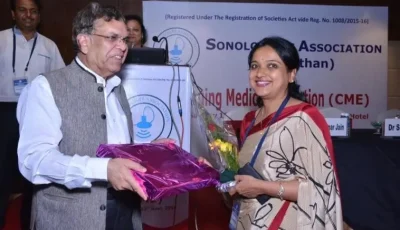
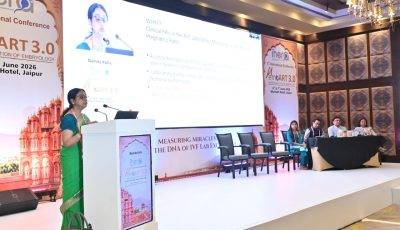
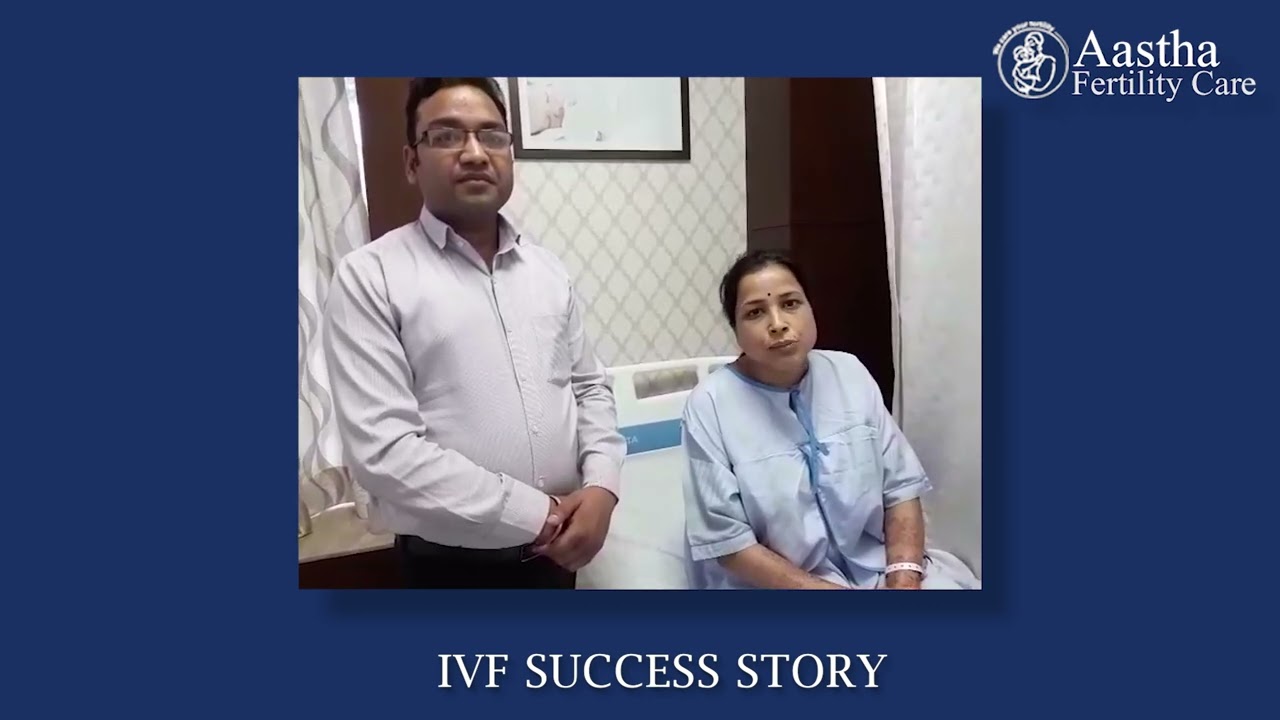



Aastha Fertility Care is an NABH-accredited IVF & fertility clinic in Malviya Nagar, Jaipur, founded in 2004 by Dr. Namita Kotia, MBBS, MS (Obstetrics & Gynaecology). Dr. Namita Kotia has 25+ years of expertise in fertility treatments.
2000+
Happy Families
00+
IVF Cycles Done
50-60%
Success Rate
25+
Years of Experience
Aastha Fertility Care is an NABH accredited fertility centre in Jaipur. Couple trust Aastha IVF center in jaipur, because we make their Dreams of having a Child turn into Reality! Founded by the renowned infertility specialist in jaipur, Dr. Namita Kotia (MBBS, MS – Obstetrics, Gynaecology & IVF Specialist), our IVF center has provided fertility treatments in Jaipur for over 2000+couples over 25 years.
We do not offer the same treatment for all. We don’t believe in one-size-fits-all treatment EVERY PARENTHOOD JOURNEY IS UNIQUE, and so are our treatments! Our experienced IVF doctors use advanced technology to thoroughly examine patients’ health issues and provide customized fertility treatment plans.
Our fertility treatments include IVF, IUI, ICSI, and many others. At Aastha, we combine caring support with modern medical technology.
Most Importantly, Nothing is hidden from you! Be it about the IVF Treatment Costs in Jaipur or the complexities of the treatment, we are proud of our honest and transparent approach.
Our fertility doctors in jaipur are dedicated to achiev high success rates in Jaipur for our patients (NOT JUST IN BOOKS, BUT IN REALITY!)

MBBS, MS – Obstetrics & Gynaecology with 25+ Years of Experience
Dr. Namita Kotia is the Director of Aastha Fertility Care, IVF centre in Jaipur, with over 25 years of experience in IVF, IUI and ICSI.
She completed her Masters in Obstetrics and Gynaecology from S.N. Medical College, Jodhpur, in 1997. More than just an IVF expert in Jaipur, she is your emotional companion on the beautiful journey to parenthood. She is known for explaining every option honestly rather than rushing couples into a single treatment path.
Dr. Kotia is especially recognized for handling complex cases including recurrent implantation failure (RIF), recurrent pregnancy loss, severe male factor infertility, and low AMH. She has been featured in The Times of India for her work on India’s declining fertility rates and was awarded for excellence in fertility care on Doctors’ Day.
Every year, numerous couples from Jaipur, Kota, Ajmer, and across Rajasthan come to discuss their fertility issues. To discuss your situation, you can book an appointment.














Every fertility journey is unique. Whether you are trying to conceive naturally, exploring treatment options, or facing fertility challenges, understanding your current situation is the first step toward finding the right path to parenthood. Tell us where you are right now and we will tell you exactly how Aastha Fertility Care in Jaipur can help.
If you have been trying to conceive for more than 12 months without success, it may be time to consult a fertility specialist. Difficulty in conceiving can be caused by ovulation problems, sperm-related factors, blocked fallopian tubes, or other underlying conditions. A proper medical checkup of both partners can help you identify the cause and give you the most appropriate treatment plan.
Repeated IVF failures or recurrent pregnancy losses can be emotionally challenging, but they often have identifiable causes. Factors such as embryo quality, implantation issues, uterine conditions or immune-related concerns may play a role. A detailed evaluation by a fertility specialist can help you determine the underlying reason and improve the chances of a successful pregnancy in future treatment cycles.
Low sperm count means fewer sperm are present in the semen, while poor sperm motility means the sperm do not move effectively. Both conditions can reduce the chances of natural conception but are often treatable. Advanced fertility treatments such as ICSI (Intracytoplasmic Sperm Injection), where a single healthy sperm is injected directly into the egg, can help many couples achieve pregnancy.
Fertility naturally declines with age, particularly after 35, due to changes in egg quantity and quality. However, many individuals and couples successfully conceive in their late 30s and 40s with appropriate medical guidance. Early fertility assessment and personalized treatment can help you understand your options and maximize your chances of pregnancy.
A failed IUI (Intrauterine Insemination) cycle does not mean pregnancy is impossible. The next step depends on factors such as age, fertility diagnosis, sperm quality, and previous treatment history. In some cases, additional IUI cycles may be recommended, while others may benefit more from IVF or advanced fertility treatments.
Fertility preservation allows individuals to safeguard their future family-building options. Techniques such as egg freezing, sperm freezing, and embryo freezing can help you preserve reproductive potential before age-related fertility decline or certain medical treatments. It provides greater flexibility for those who wish to delay parenthood for personal, professional, or medical reasons.
This situation is usually known as unexplained infertility. It occurs when standard fertility tests appear normal. As subtle issues involving egg quality, sperm function, fertilization, embryo development, or implantation may not always be detected through routine testing. A fertility specialist can help you explore further investigations and treatment options.
PCOS (Polycystic Ovary Syndrome), irregular ovulation, and low AMH (Anti-Müllerian Hormone) levels are common fertility-related conditions. PCOS can affect ovulation, while low AMH may indicate reduced ovarian reserve. Although these conditions can make conception more challenging, many women successfully achieve pregnancy with lifestyle changes, medications, fertility treatments, or IVF when needed.
The fallopian tubes play an important role in natural conception because they allow the egg and sperm to meet. When the tubes are blocked, damaged, or absent, natural pregnancy can become difficult or impossible. IVF is often an effective treatment option because fertilization takes place outside the body, bypassing the fallopian tubes entirely.
The cost of IVF in jaipur can vary depending on individual medical needs, laboratory procedures, and the number of treatment cycles required. While IVF may seem overwhelming financially, understanding the treatment plan, expected expenses, and available options can help couples make informed decisions. Discussing costs upfront with your fertility team can provide greater clarity and confidence.
ERA testing and endometrial preparation where clinically indicated.
Advanced screening for thrombophilia, anatomical issues, and genetic traits to help prevent repeated pregnancy loss.
Dedicated solutions for low or nil sperm count including micro-surgical sperm retrieval (TESE)
Low-dose stimulation protocols intended to reduce the risk of ovarian hyperstimulation.
Low AMH Treatment Planning – Individualised treatment plans for women with low ovarian reserve.
Looking beneath normal testing parameters to uncover silent structural or cellular blockages.

Assess uterine and ovarian health. Test that provides detailed images of the female reproductive organs by inserting a probe into the vagina.

Comprehensive evaluations to identify the root causes of infertility in both male and female partners.

Providing emotional support and guidance to couples navigating infertility, enhancing their overall treatment experience.

A surgical solution for certain types of male infertility caused by blockages.

Various methods to retrieve sperm when conventional ejaculation isn't possible, crucial for assisted reproductive technologies.

A minimally invasive procedure for diagnosing and treating uterine conditions affecting fertility.

A simpler fertility treatment where sperm is placed directly in the uterus to facilitate fertilization.

The flagship service combining egg retrieval, fertilization, and embryo transfer to overcome various infertility issues.

Used for diagnosing and treating fertility-impacting conditions like endometriosis or tubal disease.

Addressing and treating underlying causes of repeated miscarriages.

IVF procedure where a single sperm is directly injected into an egg to assist with fertilisation, often used for severe male infertility.

Advanced technique for freezing and preserving eggs.

Specialized care for pregnancies with higher risks to ensure the health and safety of both mother and child.

Freezing and storing sperm for future use in fertility treatments.

Freezing extra healthy embryos for future IVF cycles.

Consultant – Andrologist

Chief Embryologist

Anaesthetist
IVF is an established treatment. Like any procedure, it carries some risks, which your doctor explains before you begin. Aastha Fertility Care has an in-house IVF laboratory.
Aastha fertility center in jaipur, rajasthan provide comprehensive physical and emotional support during the IVF procedures to support your overall well-being throughout treatment.
Couples who are unable to get pregnant naturally, possibly due to male or female infertility or unexplained reasons, can achieve their dream of parenthood with IVF treatment in jaipur, Rajasthan. At Aastha Fertility Care, we aim to make this journey smooth and supportive for you. Here is full IVF process timeline explained at Aastha Fertility:
STEP 1
STEP 2
STEP 3
STEP 4
STEP 5
STEP 6
In Vitro Fertilization is an option when a woman and a man cannot conceive naturally because of medical issues. If a couple has been trying to have a baby for more than a year without any luck or six months if the woman is over 35 years old, then they should get their fertility checked.
You might need a IVF treatment in jaipur if you have:
At Aastha Fertility Care, Jaipur every couple gets a thorough checkup before In Vitro Fertilization is suggested. We recommend IVF only when evaluation shows it is the appropriate option for a couple.
FACT: Most of the people believe that infertility or inability to get pregnant is only due to female issues. However, a study by the Indian Council of Medical Research stated that 40% to 45% of infertility cases are due to male fertility causes (where 80% had explained fertility reasons and 20% have unexplained infertility reasons). This shows that not only females but males also equally contribute to infertility cases.
FACT: IVF is a lab-oriented process that demands time and patience. Each step involves significant cost, but with Aastha Fertility Care offering customised treatment for each patient. We maintain cost transparency and share a written estimate before treatment starts, with no hidden costs.
FACT: Infertility is often due to a combination of factors, including medical issues and lifestyle choices, commonly named primary and contributing factors. Anxiety, stress, depression, and other psychological problems are the contributing factors of infertility. They alone cannot cause the inability to get pregnant, both in men and women.
FACT: In the changing sedentary lifestyle era, although it is advised to opt for a healthy lifestyle to improve fertility, it is not guaranteed. Genetic factors, medical conditions, and unexplained reasons can still cause infertility.
FACT:
Many people believe that after one failed IVF cycle, you cannot opt for it again. However, this is not true. It is quite common for couples to require multiple IVF cycles to achieve a successful pregnancy. Each cycle provides valuable information that can be used to adjust and improve subsequent treatment plans.
FACT: Many people believe that IVF treatment requires hospitalization. In truth, most IVF procedures are outpatient and do not require an overnight stay. You can go home the same day after procedures like egg retrieval and embryo transfer, making the process more convenient and less stressful.
EXCELLENT Based on 91 reviews
 Posted on Google
 Komal Nandwani
Trustindex verifies that the original source of the review is Google.
I am not at all satisfied with my ivf journey from my experience our time ,money and most importantly my feelings..they dont take care at all .Posted on Google laxman singhHospital ka stafff or facilities dono hi bhot achi h . Dr. Namita kotia bohot cooperative h or patient ki care bhi ache se krti h . And hygiene ka bhi Pura dhyaan rkha gya h or staff bhi bhot cooperative h overall good experience.Posted on Google
 Tanu JaiswalIndian's best doctor.Posted on Google
 Aasha Prajapat“The staff is caring, supportive,and always ready to help”. And Dr. Namita ma’am is highly professional and knowledgeable “.Posted on Google
 Renu Kumari"The clinic is well maintained, hygienic ,and welcoming" and the team understands patients emotionally and gives confidence ".Posted on Google
 Pawan kr. Saini⭐⭐⭐⭐⭐ "Dr. Namita Kotia ma’am is one of the best IVF specialists. He listens very patiently, explains every step of the treatment clearly, and gives full support throughout the journey. The clinic is well-equipped with modern facilities and the staff is very caring and professional. Thanks to her guidance and expertise, our dream of becoming parents came true. Highly recommended for anyone looking for a trustworthy and compassionate IVF specialist!"
Talk to Experts
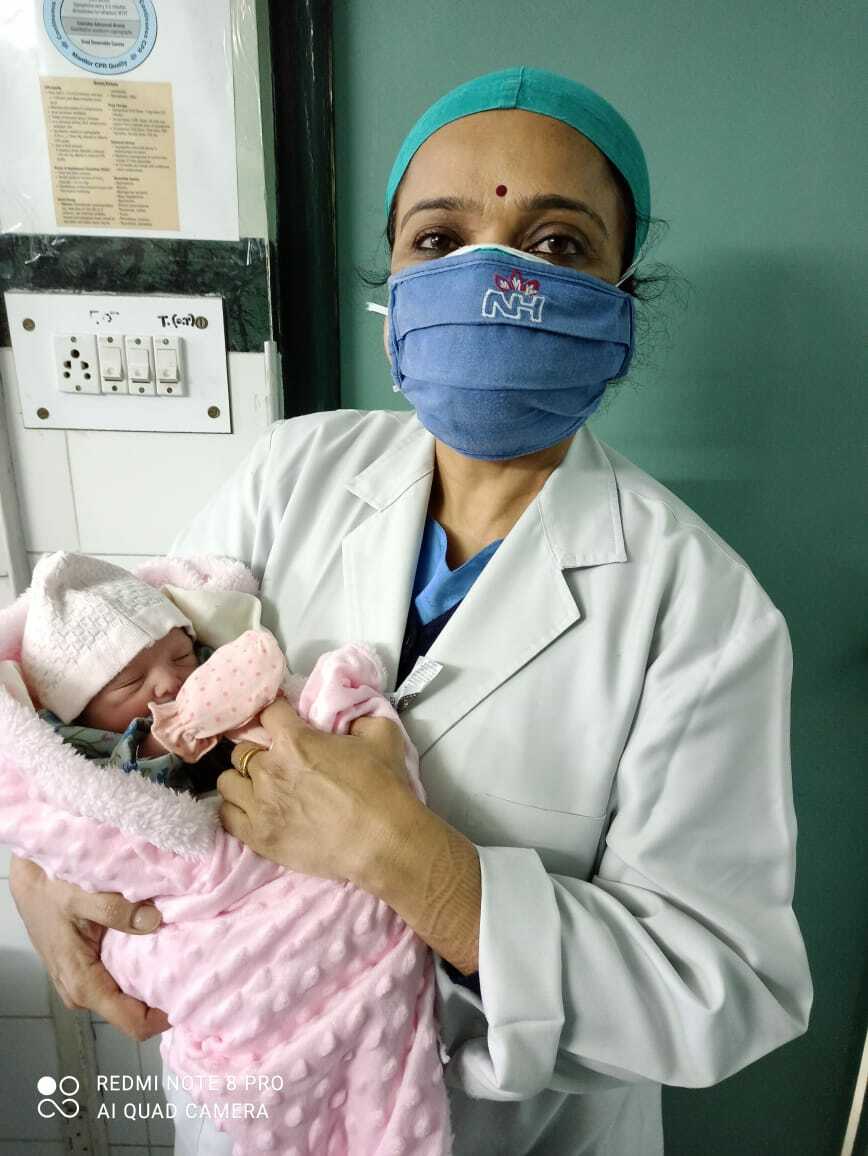
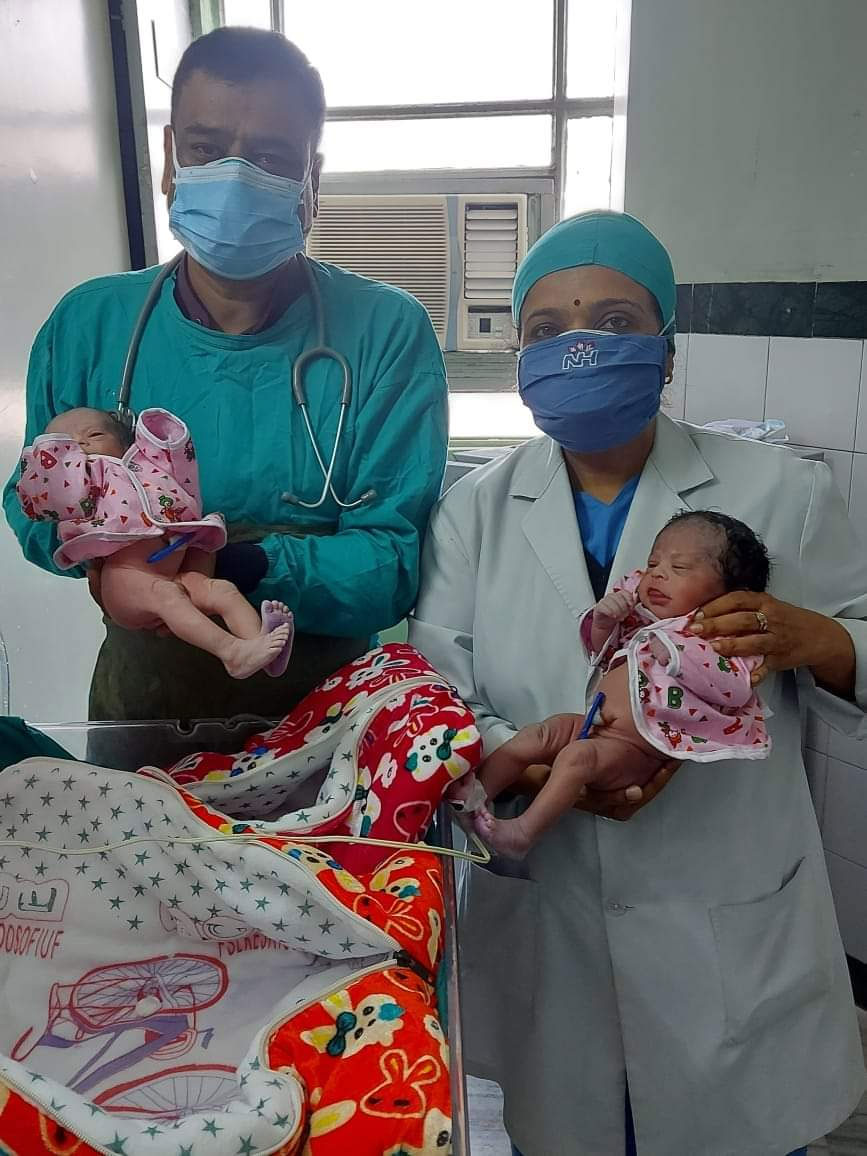
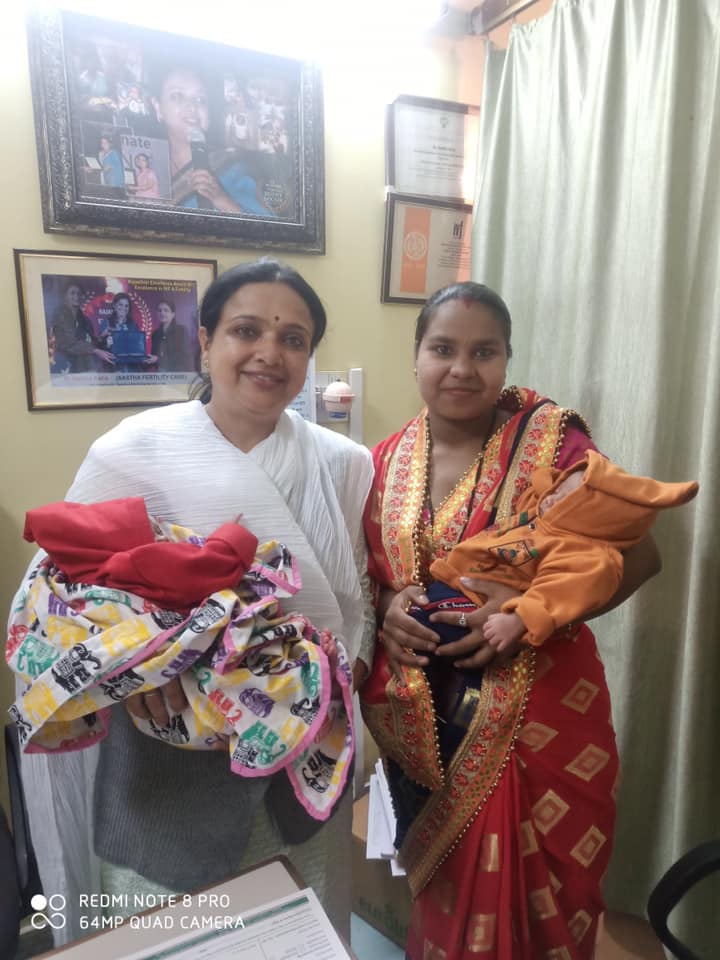
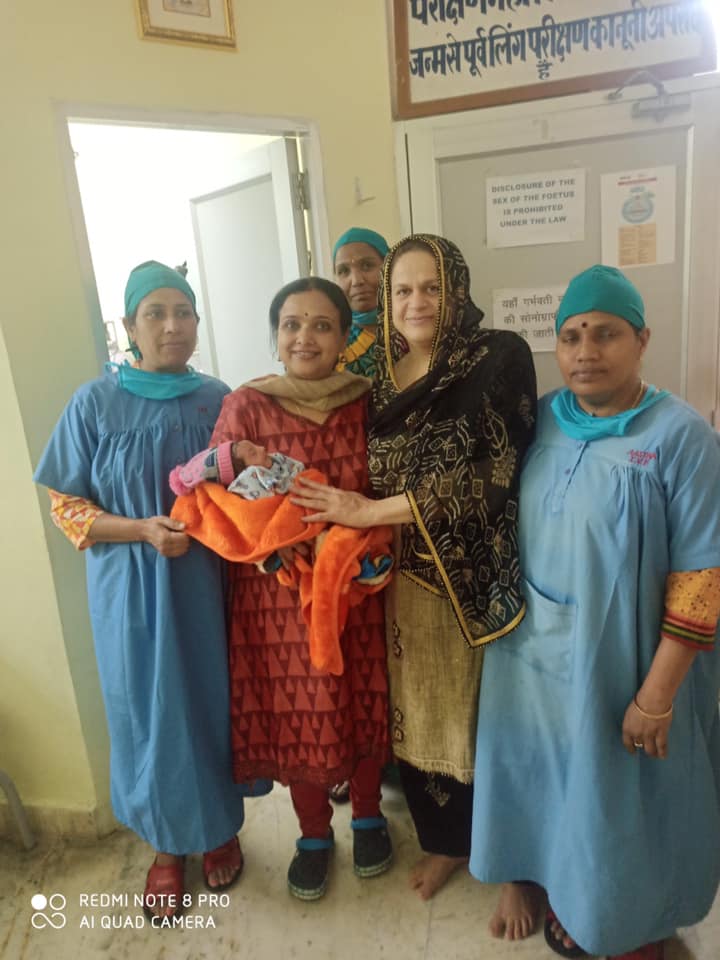












IVF, or In Vitro Fertilisation, is a process where eggs are fertilized by sperm outside the body in a laboratory(petri dish). The resulting embryos are then transferred to the uterus to achieve pregnancy. It is commonly used for couples facing infertility or reproductive challenges.
The IVF process typically takes about 4-6 weeks from the start of ovarian stimulation to the embryo transfer. However, this can vary depending on individual circumstances and treatment plans.
NO IVF process is not extremely painful although some steps in the IVF process, such as injections and egg retrieval, may cause discomfort. The overall procedure is generally not considered painful. Your doctor will provide pain relief options to ensure your comfort.
A couple should visit an IVF center if conception has not occurred within one year without any contraception. Couples older than 35 need to visit after six months of unsuccessful conception. If you have irregular periods, PCOS, blocked tubes, low sperm count, repeated miscarriage, or previous failed fertility treatment then you should consult an IVF specialist.
Fertility treatments available at Aastha Fertility Care are IVF, IUI, ICSI, couple fertility assessment, ovulation monitoring, male infertility assessment, female infertility assessment, embryo cryopreservation, DFI test, and advanced reproductive care. We will tailor our treatment method based on your reports, age, medical history, and reason for infertility.
Like any medical procedure, IVF carries some risks, including multiple pregnancies, ovarian hyperstimulation syndrome (OHSS), and ectopic pregnancy. Your doctor will discuss these risks with you and take steps to minimize them.
The number of IVF cycles needed varies among individuals. Some couples achieve success on their first cycle, while others may require multiple cycles. It’s important to stay hopeful and discuss your options with your doctor.
Yes, you can use donor eggs and/or donor sperm for IVF in India, provided the treatment follows the rules of the Assisted Reproductive Technology (ART) Regulation Act, 2021.
To prepare for IVF, maintain a healthy lifestyle, including a balanced diet and regular exercise. Avoid smoking and limit alcohol and caffeine intake. Follow your doctor’s instructions regarding medications and supplements.
While IVF treatment involves frequent visits to the clinic for monitoring and procedures, many people continue with their daily activities during the process. Your doctor will advise you on any necessary lifestyle adjustments.
Coverage for IVF varies depending on your insurance plan and location. It’s important to check with your insurance provider to understand your coverage and any out-of-pocket costs you may incur.
Thinking IVF vs IUI — which is right for you? The use of IUI can be considered when there are cases of mild male infertility, ovulation disorders, cervical factor infertility, or idiopathic infertility. In contrast, the use of IVF can be considered when there are cases of blocked fallopian tubes, severe male infertility, poor ovarian reserve, endometriosis, older age, and recurrent IUI failures. It will depend on what your fertility expert will decide after analyzing both partners.
IVF for low AMH is planned individually, based on age, ovarian reserve and medical history. The team focuses on maximizing egg retrieval and creating treatment plans based on age, ovarian reserve, and overall fertility health to improve the chances of a successful pregnancy.
IVF for PCOS/PCOD is planned individually.
IUI, or Intrauterine Insemination, is a fertility treatment where washed sperms are placed into a woman’s uterus during ovulation to increase the chances of fertilisation.
IUI is often recommended for couples with unexplained infertility, mild male factor infertility, cervical mucus problem.
The actual IUI procedure is quick, usually taking only a few minutes. The preparation, including monitoring ovulation and preparing the sperm sample, may take several days.
IUI is generally not painful. Some women may experience mild discomfort or cramping similar to what they feel during a pap smear.
Your doctor will discuss your individual chances based on your reports.
ICSI, or Intracytoplasmic Sperm Injection, is a specialised form of IVF where a single sperm is directly injected into an egg to facilitate fertilisation. This method is often used in cases of severe male infertility.
ICSI is particularly beneficial for couples where the male partner has a low sperm count, poor sperm motility, or abnormal sperm shape. It is also used in cases where previous IVF cycles have failed to achieve fertilisation.
In traditional IVF, eggs and sperm are mixed together in a lab dish to allow natural fertilisation. In ICSI, a single sperm is manually injected into an egg, increasing the chances of fertilisation, especially in cases of severe male infertility.
ICSI is generally considered safe, but like any medical procedure, it carries some risks. These can include potential damage to the egg during injection or issues with embryo development. Your doctor will discuss these risks with you in detail.
The success rates of ICSI vary depending on factors such as the woman’s age, the quality of the eggs and sperm, and overall health. On average, the success rates are similar to those of traditional IVF, with many couples achieving pregnancy after ICSI.
The IVF success rate at Aastha Fertility is 60 - 65%. Some of the factors that affect IVF success include age, egg quality, sperm quality, embryo quality, uterine health, ovarian reserve, lifestyle, and the reason for infertility. Youths tend to have higher chances of success compared to others. |
There is a high chance that infertility in men can be treated when the causative factors are known. The treatment involves changing lifestyle, medication, corrective surgery, treating infection, IUI, IVF, ICSI, or retrieving sperms. Semen analysis and advanced tests like DFI help in selecting the treatment.
The treatment of infertility in females varies according to the cause of infertility. For example, causes like poor ovulation, Polycystic Ovarian Syndrome, blocked fallopian tubes, Endometriosis, fibroids, low ovarian reserve, and hormonal imbalance will have different treatment methods. These include medicine, ovulation induction, IUI, laparoscopy, hysteroscopy, IVF, ICSI, or donor egg IVF in selective cases.
Yes, Aastha Fertility Care is located in Malviya Nagar, Jaipur. The center offers fertility evaluation, IUI, IVF, ICSI, fertility preservation, and other advanced reproductive treatments under the guidance of experienced fertility specialists.
The IVF cost at Aastha Fertility Care varies depending on your diagnosis, treatment protocol, medications, and any additional procedures that may be required. A consultation and fertility assessment can help provide a clear and personalized cost estimate.
Explore the Science of Creation with Our Informative Blogs
Fill out the form below, and we will be in touch shortly.
Book your Consultancy Call today!